


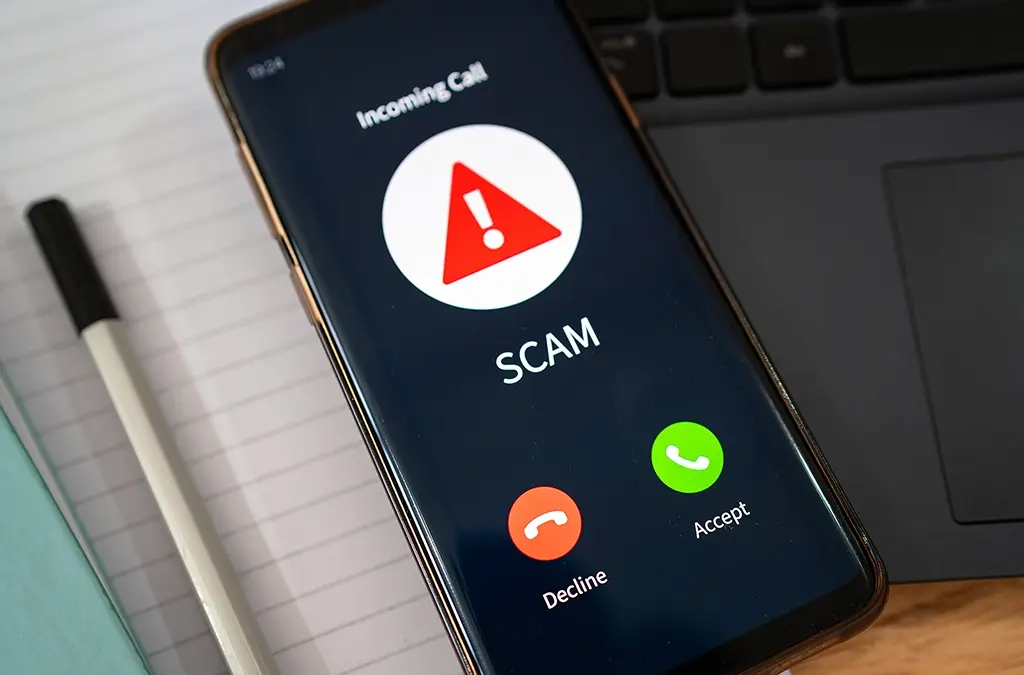
A fast-growing scam is making its way across the country, and it’s costing Americans big. Fraudsters are now pretending to be government officials or law enforcement officers, and the results are alarming.
Between January and September 2025, Americans filed 332,796 reports with the Federal Trade Commission, totaling $739 million in losses. And the numbers keep climbing.
These scams are sophisticated, convincing, and designed to create panic. But once you know the warning signs, you can protect yourself and your money.
How the Scam Typically Unfolds
- A surprise message appears.
You may get a phone call, text, email, or even a social media message from someone claiming to be with:
- the FBI
- the Secret Service
- local police
- the courts
- another government agency
They might even spoof a real phone number to look legitimate.
- They create fear and urgency.
The scammer claims there’s a serious problem with your account or identity.
Common lies include:
- “Your identity has been stolen.”
- “Your accounts are under investigation.”
- “There’s a warrant for your arrest.”
- “We’re investigating fraud. Your money isn’t safe.”
- They demand fast action.
This is a red flag every single time. They’ll pressure you to:
- wire money
- buy cryptocurrency
- withdraw cash
- purchase gold or precious metals
- hand off valuables to a courier
- share personal information, such as your SSN or date of birth
The more urgent they make it sound, the more likely it’s a scam.
What the Government Will Never Do
Real government agencies will NOT:
- Call, text, or email demanding immediate payment
- Threaten arrest over the phone
- Ask you to move or “protect” your money by transferring it
- Request payment in gift cards, cryptocurrency, or peer-to-peer apps
- Send a courier to collect cash or valuables
How to Protect Yourself
- Don’t trust caller ID: Scammers can fake (or “spoof”) official phone numbers.
- Don’t click links: Avoid links sent by text, email, or social media from unknown sources.
- Verify before acting: Use official government websites or the customer service number on the back of your bank card.
- End the conversation: Hang up, stop replying, and block the sender.
- Document everything: Note names, numbers, times, messages, and websites.
- Report the scam: Notify
- Your financial institution
- The FBI: fbi.gov or 1‑800‑225‑5324
- Local law enforcement
- S. Postal Inspectors (if mail is involved): 1‑877‑876‑2455 or USPIS.gov
- Check your credit: Consider a security freeze or fraud alert with the credit bureaus.
- Get expert help: A financial counselor, attorney, or licensed tax professional can guide you if you’ve shared information or lost money.
Staying informed is your best defense. Scammers rely on fear and confusion, but with awareness and quick action, you can shut them down before they get close to your accounts or personal information.