

If it feels like the scam calls, texts, and DMs never stop, you’re not imagining it. Nearly half of Americans (46%) say they get messages every day that seem like scams, and 77% say it happens at least weekly, according to a U.S. News & World Report survey.
That same survey found that 79% of people believe AI is making scams harder to detect, and two‑thirds worry AI could put their financial health at risk.
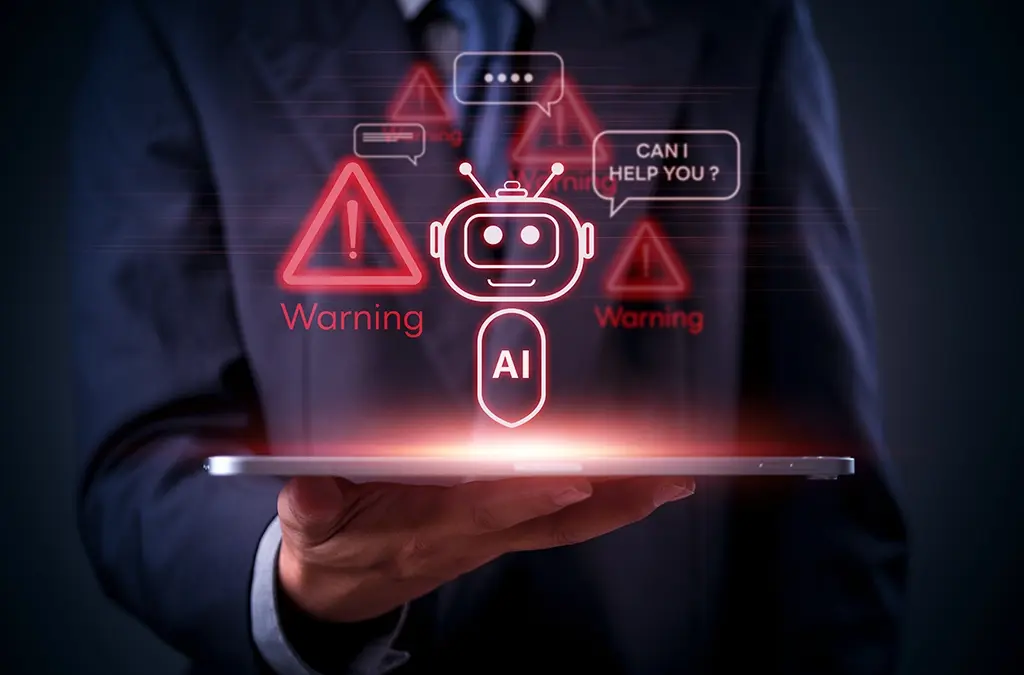
AI isn’t just a buzzword here; it’s changing the fraud game on both sides. Criminals use it to scale and personalize scams, while banks and businesses use it to stop them.
How Scammers are Using AI
According to LexisNexis’ Global State of Fraud and Identity Report 2026, 85% of identity fraud cases now involve generative AI, meaning criminals are using AI tools to impersonate real people or create entirely fake identities.
AI is also dramatically boosting the sophistication of deepfakes. CBS News reports that deepfake video scams have surged 700% over the last three years, and voice‑cloning scams now allow criminals to mimic a loved one’s voice with just a few seconds of online audio.
Meanwhile, Experian’s annual Future of Fraud Forecast warns that criminals are using AI to power:
- Machine‑to‑machine scams, where AI agents interact with systems automatically
- Deepfake job candidates who can pass real-time interviews
- Smarter home break‑ins, where attackers exploit connected devices
- Website cloning, where fake sites mimic real ones
- AI‑driven romance and family‑emergency scams that feel shockingly personal
These scams work because they feel real and because AI can remove many of the “tells” people used to look for, such as typos or robotic phrasing.
How to Protect Yourself Right Now
Here are a few simple habits that can dramatically reduce your risk:
- Slow down: Scammers rely on urgency. If someone pressures you to act immediately, hang up and verify through a trusted number.
- Don’t trust what you see or hear: Voices and videos can be faked. Have a family “safe word” for emergencies.
- Never send money through unusual methods: The Federal Trade Commission says scammers increasingly ask for crypto, bank transfers, or gift cards, which are all red flags.
- Avoid links in messages: Go directly to the company’s website instead of clicking a link in a text, email, or social media message.
- Turn on alerts: Enable fraud alerts for bank accounts, credit cards, email, and social media apps.
- Freeze your credit: It’s free, and it blocks new accounts from being opened in your name.
If Something Doesn’t Feel Right, Check Before You Act
AI scams are getting sharper, more personalized, and harder to spot. But with a few smart habits and a healthy dose of skepticism, you can stay ahead of most threats.
If you ever get a suspicious message, call, or email, don’t act on it. Verify it. And if you need help understanding, reporting, or preventing fraud, visit MyBank.com/security for tools and resources.